Strategic Communication Through Strong Branding Vector Infographic Design
In the contemporary landscape of digital marketing and corporate communication, visual clarity is synonymous with professional authority. The ability to distill complex business strategies into digestible visual narratives is no longer a luxury but a necessity for engaging diverse stakeholders. A Strong Branding Vector Infographic serves as the bridge between raw data and human understanding, transforming abstract concepts into tangible assets that reinforce brand identity. Unlike raster-based images that degrade over time or across devices, vector-based design ensures that every line, icon, and typographic element remains crisp whether viewed on a mobile screen or printed on a large-format banner. This technical foundation supports a broader strategic goal: creating presentation materials that are not only informative but also unmistakably aligned with organizational values.
The Technical Foundation of Scalable Visual Assets
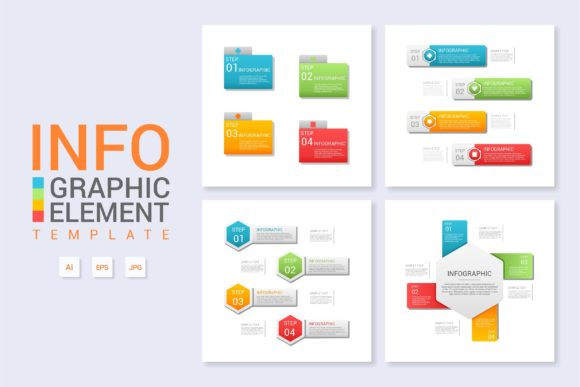
Understanding file architecture is the first step in leveraging infographic templates effectively. Professionals utilizing a Strong branding vector infographic template must navigate various formats to ensure compatibility across different stages of the production workflow. The versatility of vector graphics lies in their mathematical construction, allowing for infinite scaling without loss of fidelity. This is critical when designing elements intended for multi-channel distribution.
- AI (Adobe Illustrator): The native source file for editing. This format preserves layers, artboards, and editable text, making it essential for customizing templates and adjusting brand colors.
- EPS (Encapsulated PostScript): A universal vector standard compatible with most design software. EPS files are ideal for sharing with print vendors or collaborators who may not use Adobe products.
- SVG (Scalable Vector Graphics): The web-native vector format. SVGs allow infographics to remain sharp on high-DPI displays and can be animated via CSS or JavaScript for interactive web experiences.
- PNG (Portable Network Graphics): A raster export with transparency support. While not scalable like vectors, PNGs are necessary for embedding graphics in documents, emails, or platforms that do not support SVG.
- JPG (Joint Photographic Experts Group): Best reserved for photographic backgrounds or final exports where file size is a priority over transparency. It is generally less suitable for pure vector line art due to compression artifacts.
Maintaining access to the original AI or EPS files ensures that the infographic remains a living document. As brand guidelines evolve, having the editable source allows teams to update color palettes and typography globally rather than recreating assets from scratch. This sustainability in design workflow reduces long-term costs and maintains consistency across years of reporting and presentation.
Structuring New Client Presentation Outlines
When generating new clients presentation outline design elements, the structure of the infographic dictates the narrative flow. A template is merely a container; the strategic arrangement of information determines its effectiveness. For client acquisition, the visual hierarchy must guide the viewer through a logical progression from problem identification to proposed solution. Utilizing a strong branding vector framework allows designers to create modular sections that can be rearranged based on the specific needs of each pitch.
Effective client presentations often rely on grid systems inherent in vector templates. These grids provide alignment anchors that ensure text blocks, charts, and imagery coexist harmoniously. When outlining a presentation, consider breaking the content into distinct visual zones. The introduction zone establishes context using bold typography and negative space. The evidence zone utilizes data visualization to build trust. The proposal zone employs process diagrams to demonstrate methodology. By mapping content to these predefined vector zones, creators can produce high-quality decks rapidly without sacrificing bespoke design quality. This modularity is particularly valuable for agencies and consultants who must tailor pitches frequently while maintaining a cohesive agency brand.
Integrating Workflow Layouts with Line Icons
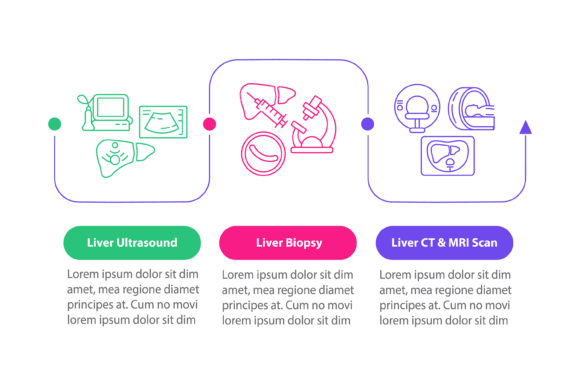
Aesthetics play a functional role in comprehension. Workflow layout with line icons represents a minimalist approach that reduces cognitive load. Heavy, filled illustrations can sometimes distract from the underlying message, whereas clean line art directs attention to the relationship between steps. Line icons possess an inherent elegance that aligns well with modern corporate branding, suggesting precision and transparency.
In a vector environment, line weight is a controllable variable. Designers can adjust stroke thickness to create emphasis or establish hierarchy within the workflow itself. Thicker lines might denote primary processes, while thinner lines indicate supporting actions. Furthermore, line icons are easily recolored to match specific brand hex codes, ensuring that even generic template elements feel proprietary. When depicting workflows, consistency in icon style is paramount. Mixing metaphorical styles—such as combining 3D renders with flat line art—creates visual dissonance. A dedicated Strong Branding Vector Infographic template typically includes a unified icon set, ensuring that every node in the workflow shares the same geometric DNA.
Mastering Data Visualization in Five Steps
Data is the backbone of persuasive communication, but raw numbers rarely inspire action. Transforming statistics into insight requires a disciplined approach to visualization. Implementing data visualization with 5 steps provides a repeatable framework for accuracy and impact. This methodology ensures that aesthetics never compromise integrity.
- Data Audit and Cleaning: Before opening any design software, verify the dataset. Remove outliers that skew perception unless they are the specific focus. Ensure sample sizes are sufficient to support the claims being made. Clean data prevents embarrassing corrections post-publication.
- Narrative Definition: Determine the single key takeaway. Is the chart showing growth, comparison, composition, or distribution? The answer dictates the chart type. Never force data into a trendy format if a simple bar chart communicates the point more effectively.
- Semantic Color Application: Use brand colors functionally, not just decoratively. Assign specific hues to specific variables throughout the entire presentation. If "Revenue" is blue on slide three, it must remain blue on slide ten. This semantic consistency helps viewers track metrics across multiple visualizations without re-reading legends.
- Hierarchy and Annotation: Guide the eye to the most important data point using size, position, or contrast. Add direct annotations to highlight insights rather than forcing users to cross-reference axes. In vector formats, text remains editable, allowing for precise placement of callouts that adapt if the chart dimensions change.
- Accessibility Review: Verify that the visualization is readable by those with color vision deficiencies. Ensure sufficient contrast ratios between text and background. Vector tools often include accessibility plugins or allow for easy pattern overlays to supplement color coding, making the Strong branding vector infographic template inclusive for all audiences.
Temporal Narratives via Process Timeline Info Charts
Time-based data presents unique challenges in static media. A process timeline info chart translates chronological sequences into spatial arrangements, allowing viewers to grasp duration, milestones, and dependencies at a glance. In client presentations, timelines manage expectations and demonstrate project maturity. They transform vague promises into concrete schedules.
Vector-based timelines offer significant advantages over static images. Because they are constructed from paths and shapes, timelines can be extended or condensed without distortion. If a project scope expands from six months to nine, the designer can simply add segments and redistribute spacing mathematically. This flexibility is crucial during the negotiation phase when deliverables are still in flux. Additionally, process timelines benefit from integration with workflow layouts. Milestones can serve as anchor points for detailed sub-processes, creating a nested information architecture. Users can see the macro schedule and drill down into micro-tasks within the same visual field. This layered approach maximizes information density without inducing clutter, provided that whitespace is managed deliberately.
Brand Consistency Across Diverse Stakeholders
The true value of a Strong Branding Vector Infographic extends beyond individual assets; it lies in systemic consistency. Different stakeholders consume information differently. Executives may prefer high-level summary dashboards, while technical teams require detailed process maps. Educators might need simplified conceptual diagrams, whereas researchers demand rigorous statistical representations. Despite these varying needs, the underlying visual language must remain constant to build recognition and trust.
Vector templates facilitate this scalability of communication. By establishing a master style guide embedded within the AI or EPS files, organizations ensure that every exported JPG, PNG, or SVG adheres to standards. Fonts, stroke weights, corner radii, and color values become immutable constants. This reduces the reliance on individual designer intuition and institutionalizes quality. Over time, this consistency creates a composite brand image where every infographic reinforces the last. Clients begin to associate specific visual patterns with your organization’s reliability and expertise. In this way, the technical choice of vector graphics becomes a strategic business decision, directly influencing perception and retention in a crowded marketplace.
Furthermore, the interoperability of these file types supports collaborative ecosystems. Marketing teams can export PNGs for social media, sales teams can embed SVGs in web proposals, and operations teams can print EPS files for training manuals—all derived from a single source of truth. This efficiency eliminates version control issues and ensures that messaging remains synchronized across departments. As businesses increasingly operate in distributed environments, having a centralized, scalable visual asset library is not merely an organizational convenience; it is a competitive differentiator that enables faster, clearer, and more cohesive communication.